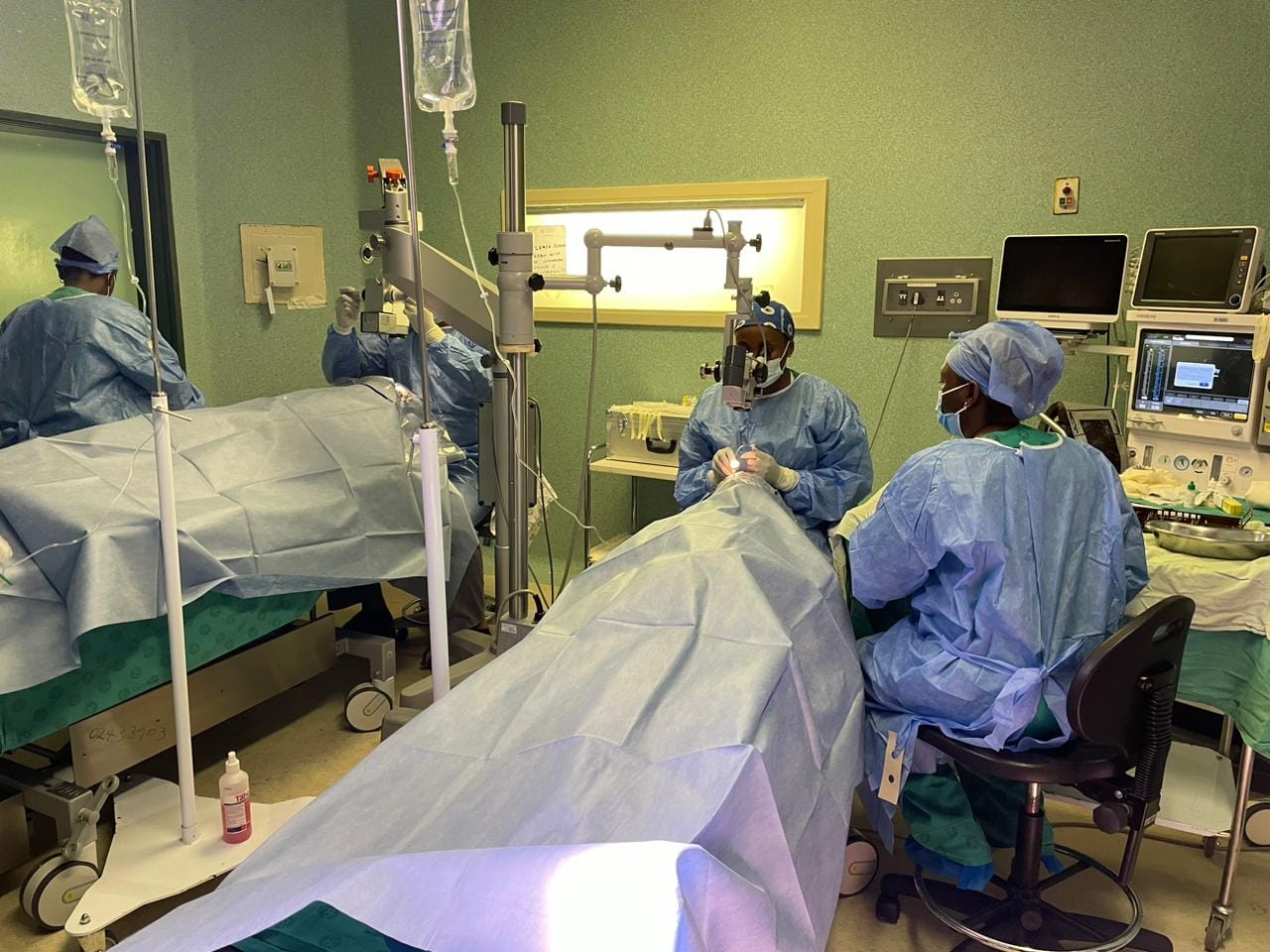
For two years, a family in Limpopo patiently awaited an operation that promised to transform the life of their elderly mother and bring significant change to the entire family.
“It took us two years to get the operation,” said the elderly woman’s daughter who wished to remain anonymous.
The elderly woman had lost her sight as a result of cataract growth in her eyes.
“As you can imagine, having a blind person at home is a lot of work,” she said.
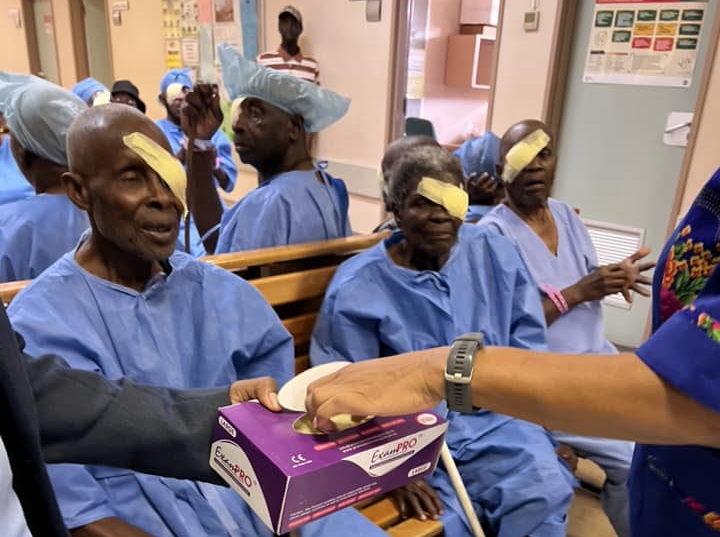
Cataracts are a common condition that affects the eye’s lens, causing clouding and potentially leading to blindness if left untreated.
“Cataracts have been a significant public health concern, particularly in rural areas where access to medical care can be limited,” said Limpopo Department of Health spokesperson Thilivhali Muavha.
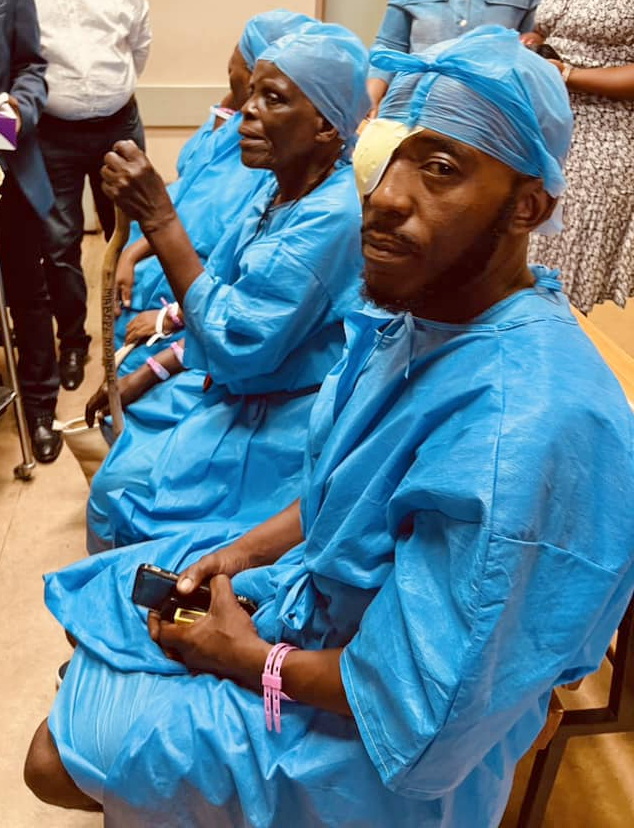
However an enterprising project by the Limpopo Department of Health known as Operation Bula Mahlo is changing the lives of visually impaired citizens.
The project, pioneered by provincial health MEC Dr Phophi Ramathuba, a medical doctor who has also taken part in assisting during patients during the surgery, is not only restoring vision but also bringing families back together and improving the well-being of the entire community.
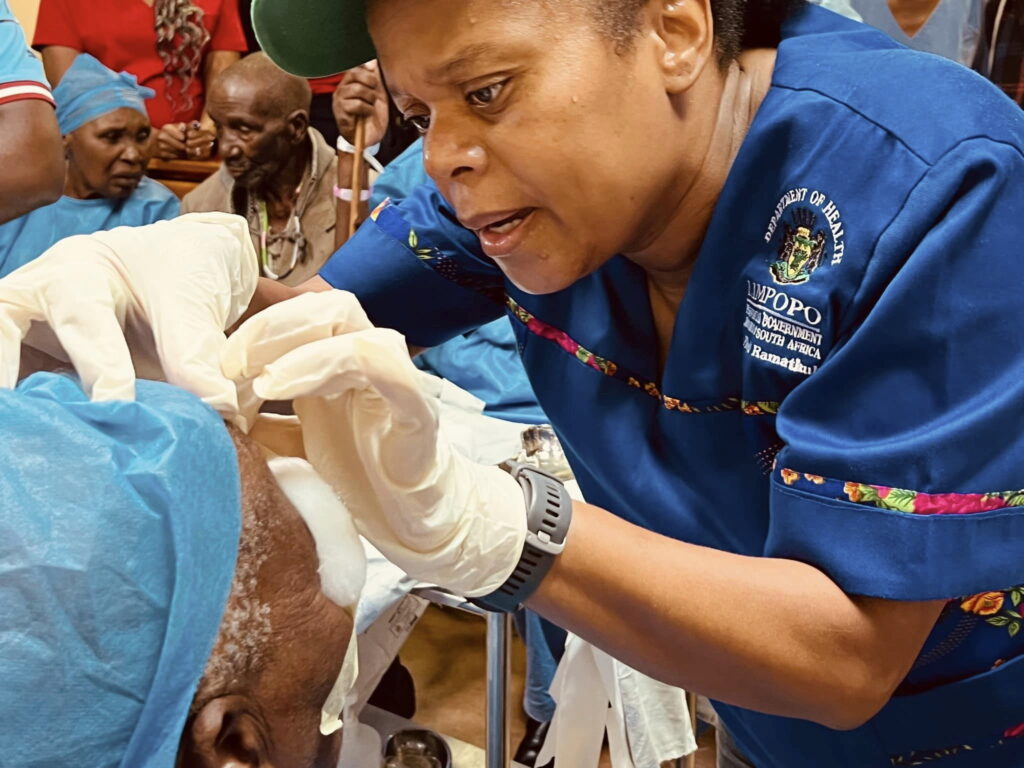
The Department of Health in Limpopo launched Operation Bula Mahlo in commemoration of Human Rights Day, 21 March, to clear the cataract backlog.
“The initiative has helped more than 400 people thus far,” said Thilivhali Muavha.
Muavha noted the impact of the operation was felt across Limpopo.
“The project has taken place in several districts, including Capricorn District- Mankweng Hospital, Waterberg District- Thabazimbi Hospital, Vhembe District- Elim Hospital, and Sekhukhune District- Jane Furse Hospital,” Muavha said.
The department said Operation Bula Mahlo, which translates to Open Eyes aims to provide much-needed cataract surgery to patients, clearing the backlog and improving the quality of life for many. Muavha emphasised the process would be continuous, to reach more people in need.
According to the World Health Organization (WHO), globally, at least 2.2 billion people have a near or distance vision impairment.
“In at least 1 billion of these, vision impairment could have been prevented or is yet to be addressed. The leading causes of vision impairment and blindness at a global level are refractive errors and cataracts,” the authority said.
WHO estimates that globally only 36% of people with a distance vision impairment due to refractive error and only 17% of people with vision impairment due to cataract have received access to an appropriate intervention.
WHO further warns that “vision impairment severely impacts quality of life among adult populations. Adults with vision impairment can experience lower rates of employment and higher rates of depression and anxiety.
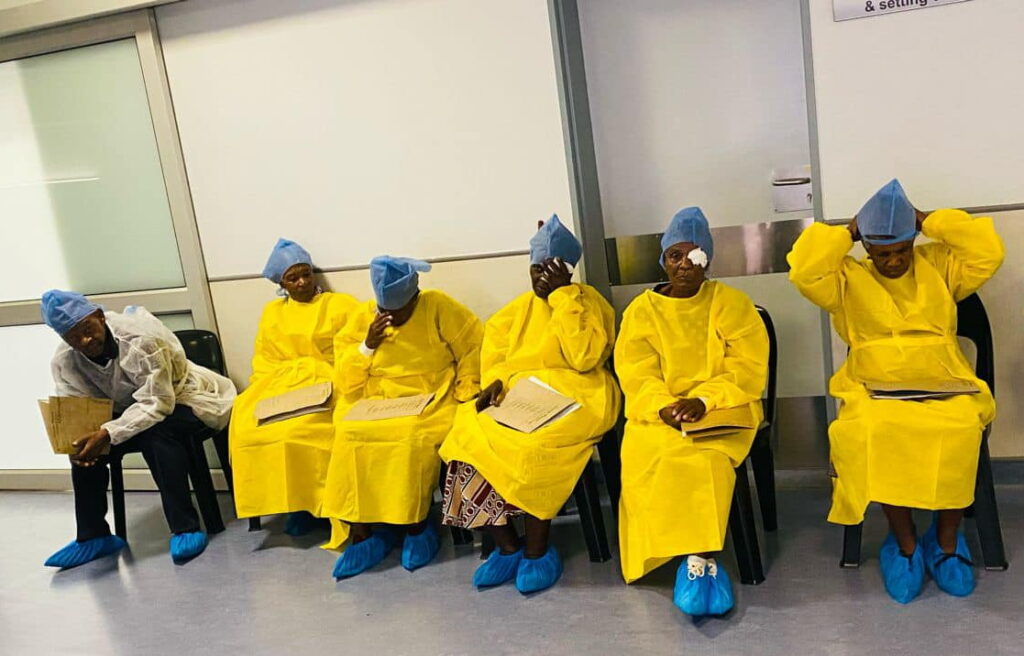
“In the case of older adults, vision impairment can contribute to social isolation, difficulty walking, a higher risk of falls and fractures, and a greater likelihood of early entry into nursing or care homes.”
The department has deployed mobile surgical units to reach patients in even the most remote parts of the province.
The units are equipped with state-of-the-art technology and staffed by skilled medical professionals dedicated to providing top-notch care.
The initiative also included screenings and educational campaigns to raise awareness about cataracts and their treatment.
This comprehensive approach helped individuals understand the importance of early detection and intervention.
Muavha stated that feedback from the community has been overwhelmingly positive. “People are happy to regain their vision and freedom of movement,” he said.
Muavha said Operation Bula Mahlo will also help build local capacity and healthcare professionals are gaining valuable experience in cataract surgery and related procedures.
This knowledge transfer will enable the health department to continue similar projects, said Muavha.
He said the department is committed to sustaining and expanding the initiative to ensure that everyone in Limpopo has access to the vision care they need.
“As the project continues, it serves as a reminder of the importance of upholding the right to health and vision for all. The operation not only transforms lives but also strengthens communities by enabling individuals to lead healthy, productive lives,” he said.
This initiative was made possible through the collaborative efforts of the Limpopo Health Department along with the Sishen Iron Ore Corporation Community Development Trust (SIOC-CDT).
The elderly woman’s family are delighted about the positive change the operation has had on their mother and their personal lives.
“We hope it [Operation Bula Mahlo] continues. It helped our mother and our family so much,” said the woman’s daughter. – news@mukurukuru.co.za

Be First to Comment