As Limpopo province gears up for its third investment conference there’s an overarching hope that its targeted R30 billion will not just cater to the industry giants but will also uplift SMMEs.
The much-anticipated Limpopo Investment Conference, now in its third year, is set to take centre stage this week, with pledges anticipated to pour in from various sectors, spanning from mining and tourism to the green economy, manufacturing, and automotive.
During a media launch on 13 October, the Limpopo Economic Development, Environment, and Tourism Department (LEDET) revealed investment pledges of R209 billion in 2021 and R34.7 billion in 2022. Of the total commitments, R50 billion has been implemented, leading to 10,000 jobs being created.
However as global investors turn their eyes to the province, numerous small and medium business owners, particularly from the agriculture and agro-processing arenas, are on tenterhooks, hoping the event catalyses growth for their budding enterprises.
Bennet Ramulungo, the secretary of the National African Federated Chamber of Commerce and Industry (NAFCOC) in the Waterberg district, shared this sentiment, hoping this year paints a different picture.
“We know that mining in terms of operations and their social labour plans do not comply, and so do not support local SMME. Wherever you may go where mining takes place, communities are fighting each other whilst the mines are taking away the resources,” Ramulungo said.
He suggested that entities such as the Department of Minerals and Energy, mining houses, and community structures convene quarterly to review reports on SMME support.
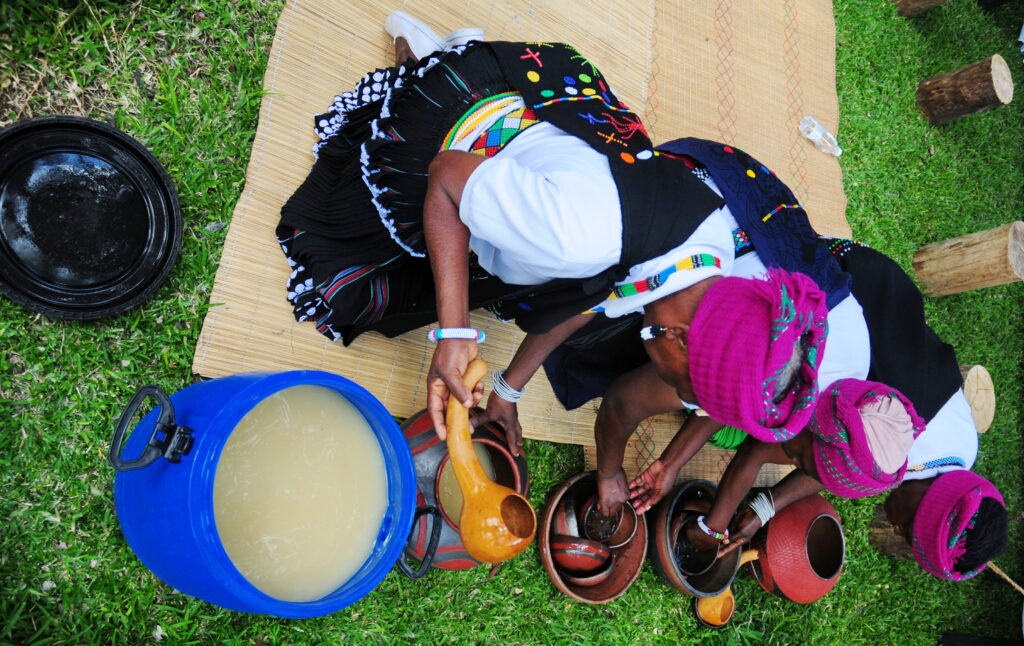
Ntsieni Mbulugeni, an atchaar agro-processor and the chairperson of the Thulamela Business Forum, captures the prevailing sentiment among SMMESs.
“While the conference generates a buzz with its investors, there remains a substantial concern about whether these significant pledges will indeed trickle down to the grassroots entrepreneurs,” said Mbulungeni.
This sentiment underscores the broader challenge of ensuring that global investments benefit not just the large corporations but also nurture and support the growth of local SMMEs.
“There are many small agro-processors in the province currently; however, they are unable to mass-produce. In my case with atchaar, the only limits we have are machinery and infrastructure.
“If the government was serious, we could deploy a lot of driers in the communities. There could be projects to induct people to say instead of mangoes falling and rotting, they could dry them, considering the abundance the province boasts,” Mbulungeni said.
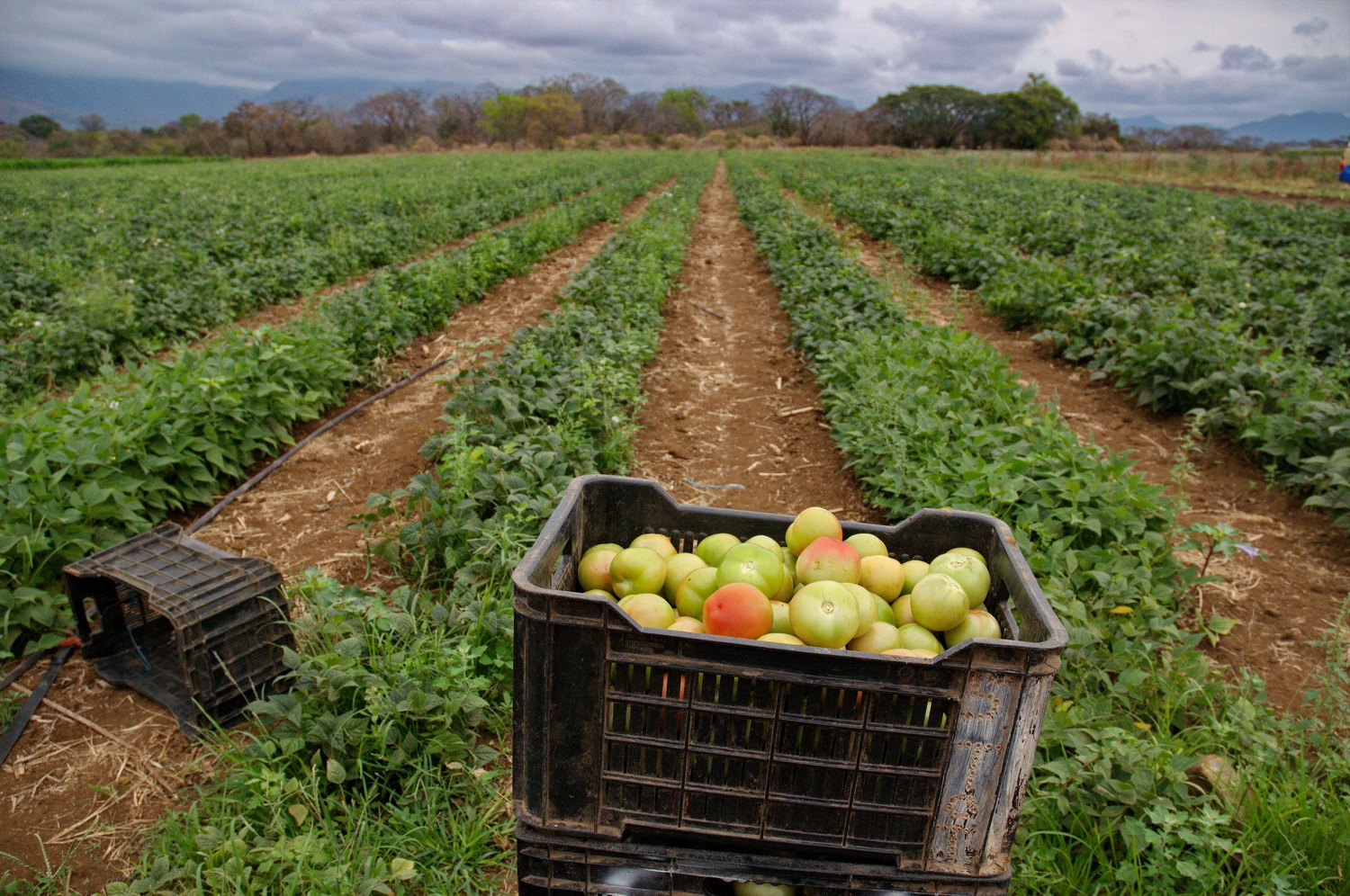
A notable endeavour in the agro-processing domain is ZZ2’s investment in an advanced avocado and tomato packhouse and nursery, capable of producing over 300,000 trees using both clonal and seeding rootstocks. The initiative holds significant promise for avocado growers and processors, especially given the recent agreement signed between the Minister of Agriculture, Land Reform and Rural Development, Thoko Didiza, and China’s Minister of Foreign Affairs during the recent BRICS Summit in Johannesburg in August.
“We are proud of ZZ2 for their exporting of tomatoes, but how many tomato sauce factories do we have in our region?” Mbulengeni asked.
MEC for Ledet, Rodgers Monama, announced that the conference will provide a detailed breakdown of the utilisation and future plans for the billions pledged in investments. The event, set for 18 and 19 October in Polokwane, will welcome 350 dignitaries, featuring potential investors from countries such as China, the United Arab Emirates, and India, as well as domestic investors.
He pointed out that with Limpopo hosting 55 platinum group metals, there’s a pressing need to strengthen the local economy through mineral beneficiation.
“We are earmarking a metallurgical industry which must be compliant in terms of the international protocols in terms of the grid. We have an abundance of coal coke around that area, but because of concerns raised about the coal, we said that the green economy will assist in that regard,” Monama said.
Earlier this year, the Musina-Makhado Special Economic Zone (MMSEZ), in collaboration with the United States Agency for International Development, unveiled their Renewable Energy Strategy, a blueprint that served as a document directing investments in the energy sector and backing sustainable development initiatives.
Monama said that following the unveiling of the SEZ’s Renewable Energy Strategy, companies have shown keen interest, especially in green economy alternatives and necessary hydrological interventions.
“And the issue of the automotive industry, for instance, electric cars, is something we are trying to establish around the Fetakgomo Industrial Park. Those are some of the measures we are taking as a country and as a province to ensure that we are compliant in terms of climate change,” Monama said.
Among the projects stemming from the conferences past investments, Anglo-American made strides in the hydrogen economy with R40 billion invested in the Mogalakwena municipality.
Additionally, president Cyril Ramaphosa’s 2022 launch of the nuGen Hydrogen Truck in Limpopo’s mining sector marked a significant move towards addressing global climate change through decarbonising energy, transport, and the wider industry. – news@mukurukuru.co.za

Be First to Comment