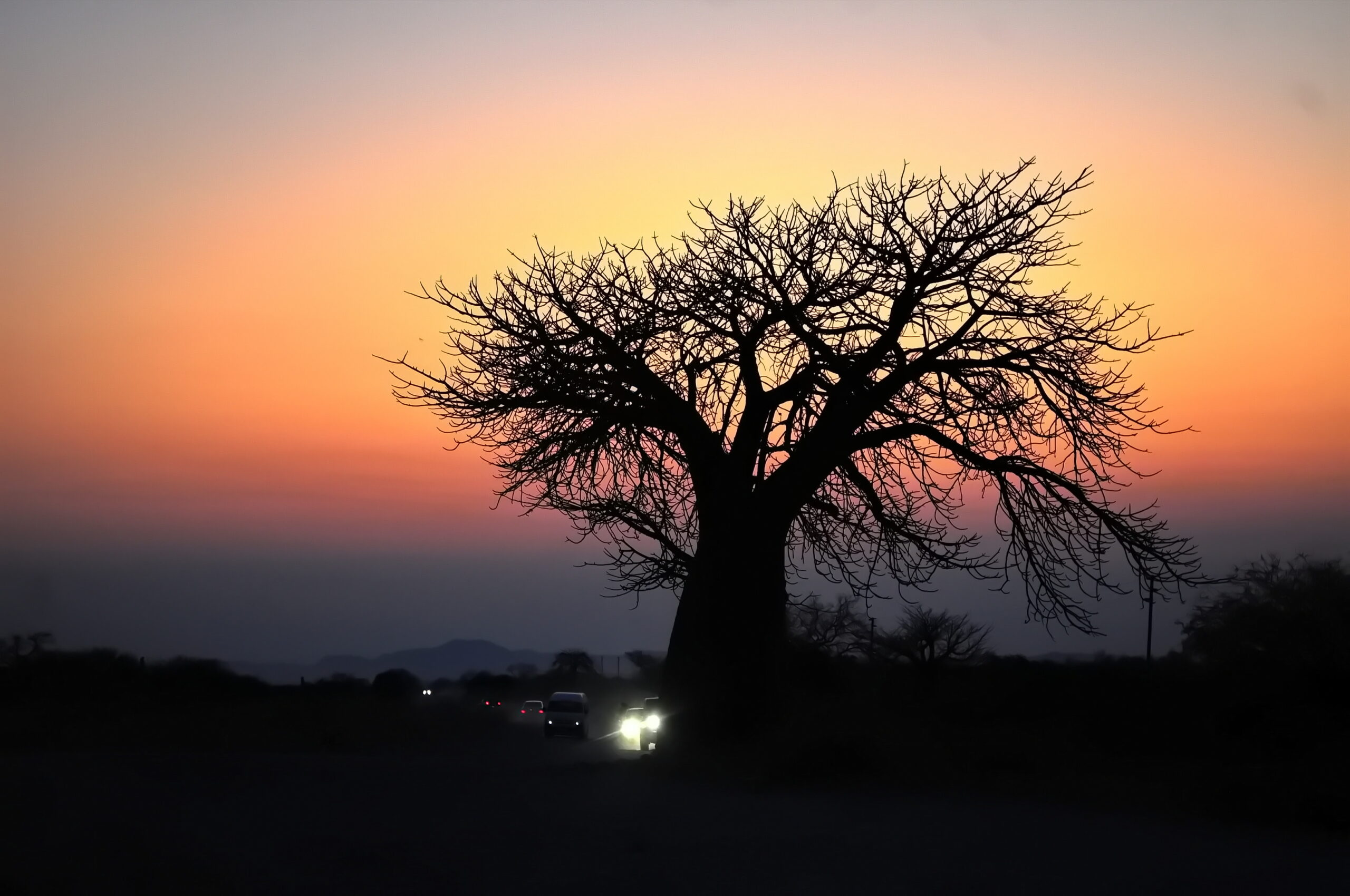
THULI Kaapanda, inspired by the sprawling branches of the baobab trees that adorned her native Namibia, saw beyond their ancient grandeur.
The 48-year-old entrepreneur envisaged a world of potential and sustainable solutions, which led her on an expedition to craft a unique line of organic cosmetics.
“Some Namibian tribes smear a vibrant red ochre on their skin instead of wearing clothes. Not many cosmetics cater to the African skin, which sparked my interest. There aren’t many cosmetics tailored for African skin, which sparked my interest in this field,” she said.
“I thought of commercializing ochre, the traditional substance used, especially since it acts as a natural sunblock,” she said.
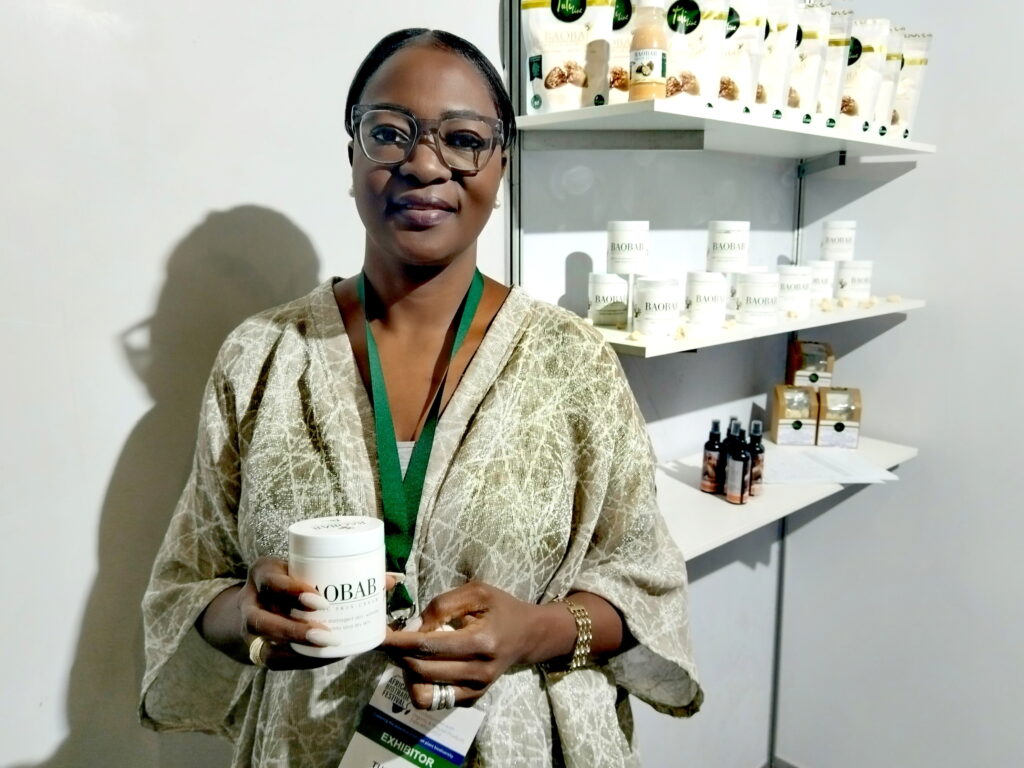
By intricately intertwining age-old wisdom and contemporary science, Kaapanda’s cosmetics emerged as a testament to both sustainable utilization of Africa’s resources and the nourishment they can offer.
Since its inception in 2018, what began as a modest skincare line soon broadened its horizon into a complete cosmetic range.
At the recent Africa Bio-trade Festival, which took place from 14-16 September 2023 in collaboration with the Organic Natural Products Expo at Johannesburg’s Sandton Convention Centre, Kaapanda took a moment to share her self-funded journey.
“As a journalist-turned-entrepreneur, I relied on my savings, continually reinvesting to nurture my business from its small beginning stages,” she remarked.
The event showcased a promising landscape for numerous African producers, highlighting the vast potential rooted in the continent’s plant life.
Especially in Namibia’s baobab-abundant Musati region, from which Kaapanda originates, many women are involved in the tree’s harvest, supporting businesses similar to Kaapanda’s own venture.
Highlighting the essence of such community-driven initiatives, Fran Patsika, the Alliance Coordinator for the African Baobab Alliance (ABA), said it’s more than just business.
“It’s about ensuring fairness, elevating women’s lives and seeking growth opportunities. Our collective’s ambition lies in standardizing pricing and, with the expo, we’re optimistic about reaching out to potential donors.”
Patsika pointed out that a significant 80% of these producers are women hailing from diverse African nations, including Gambia, Sudan, Senegal and Ghana.
The inaugural event emerged as a beacon for various sector players, from food enthusiasts to cosmetic lines.
Professor Sechaba Bareetseng from the Council of Scientific and Industrial Research (CSIR) accentuated the essence of indigenous knowledge.
“It’s essential for us to begin acknowledging African Traditional medicines. We have a plan in place aimed at its development, even if current regulations pose challenges,” he said.
Masenoke Matsimela, a Limpopo teamaker from Ga Masemola village, offers an inspiration for African knowledge holders in the sector.
As an elder of her community she is passionate about passing down the knowledge that her mother and grandmother shared with her. She fondly recalls the days she crafted tea from a specific mistletoe plant that parasitically grew on other trees. Her niece’s curiosity about the tea-making process led to testing the plant. This revelation marked the inception of Setsong Tea Crafters.
“I feel so honoured to be part of an event of this stature. We are able to work with youth from my village especially as this brand grows. Their participation will be better than having them doing nothing the whole day,” Matsimela said.
Retang Phaahla,30, Matsimela’s niece and the driving force behind Setsong Tea Crafters as its CEO, underscored a crucial sentiment: the invaluable role of indigenous knowledge holders in the organic produce sector cannot be overstated.
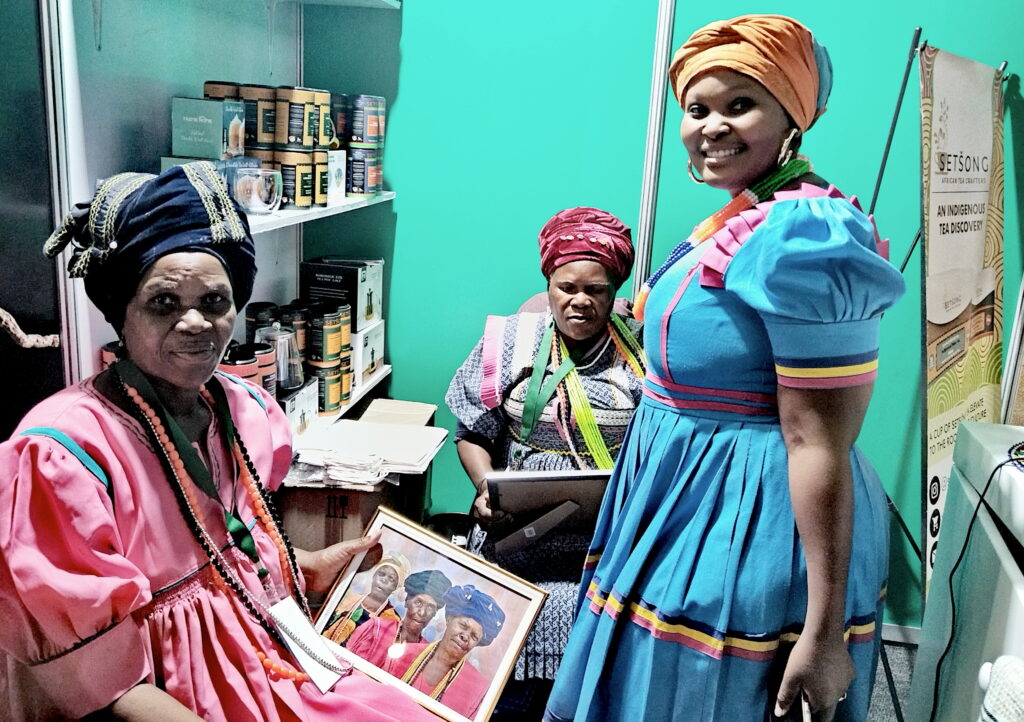
“This is part of my identity. The product came as a cherry on top and I believe it is a tool we can use to expose our deep indigenous knowledge and to tell our story and expose our culture.
In terms of elders and those holding knowledge we need not only acknowledge them but to upskill, empower and build their capacity so they can be able to negotiate terms. It is not true that we are helping them, it is the other way around, and so they need to be involved in the beneficiation process,” Phaahla said.
With Setsong Tea Crafters set to feature in the upcoming Free Food Expo in Dubai, Phaahla is poised to introduce the global market to the bountiful traditional and organic offerings of South Africa.
Following the conclusion of the African Bio-trade Festival, the event has highlighted the potential of indigenous products and amplified the importance of collaboration within the bio-trade ecosystem for future endeavours. – news@mukurukuru.co.za

Be First to Comment