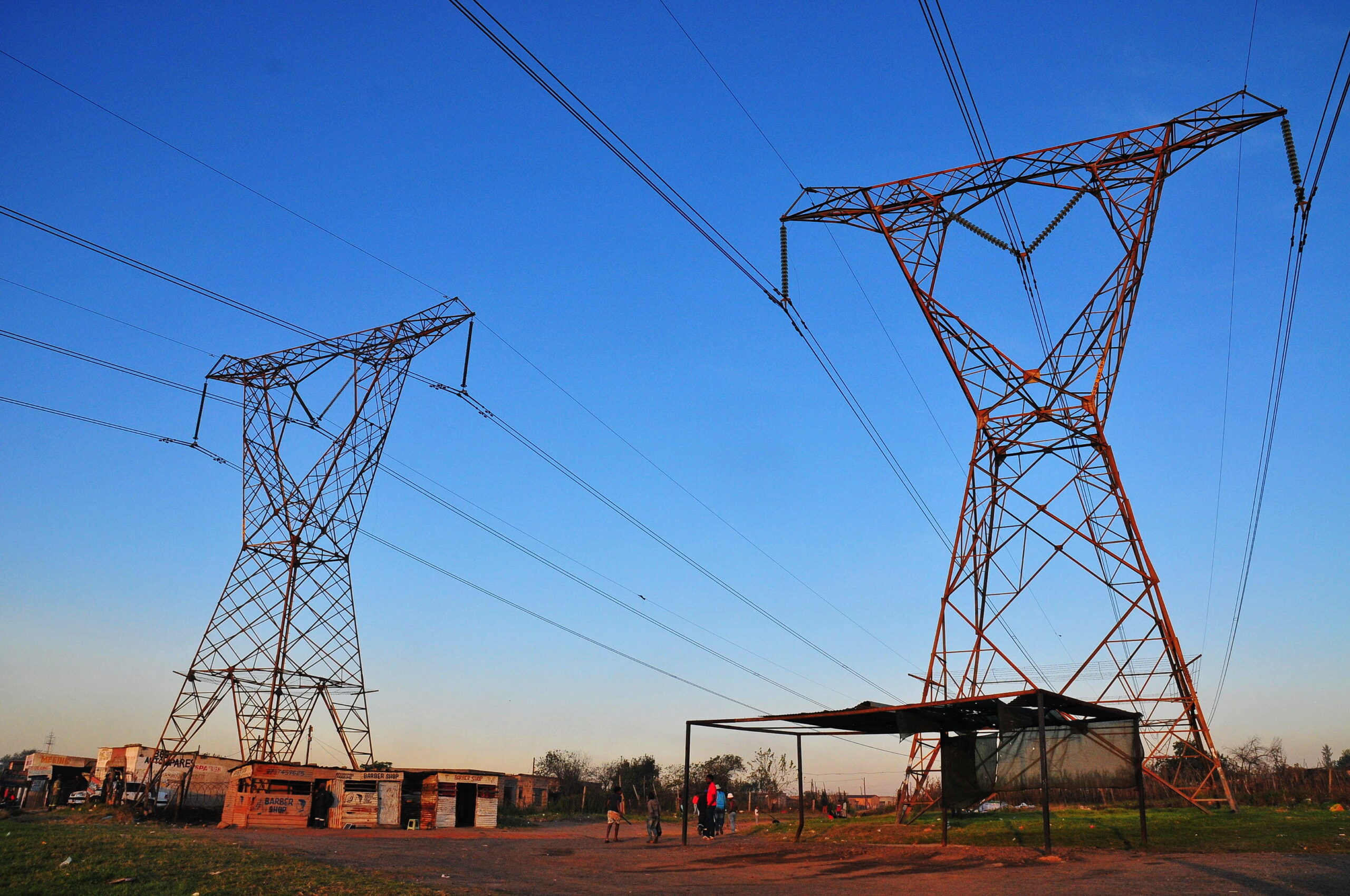
IN Mpumalanga, a South African province thriving on coal, Vincent Mathole’s livelihood and that of many others, is in a delicate balance as the country confronts a significant energy transition.
In the province’s municipalities like eMalahleni, Steve Tshwete, Msukaligwa, and Govan Mbeki, coal extends beyond an industry; it underpins their way of life, positioning them at the heart of the energy transition.
Jacob Madonsela, a 49-year-old coal Process Manager from Witbank, born and raised in Emalahleni, emphasised that as South Africa navigates its energy transition, it is critical that its citizens become active participants, not casualties, of this change.
“It would be a disaster to shut down all coal operations because we all currently do not have a second option. Most of the business in the province will have to shutdown because they deal with coal or serve workers in the coal sector,” Madonsela said.
Approximately 90,000 coal workers and their families in this province are directly affected by the industry.
“We live with this coal. The move to renewable energy has started and is affecting lives, and we see this because most of the people are losing jobs now.
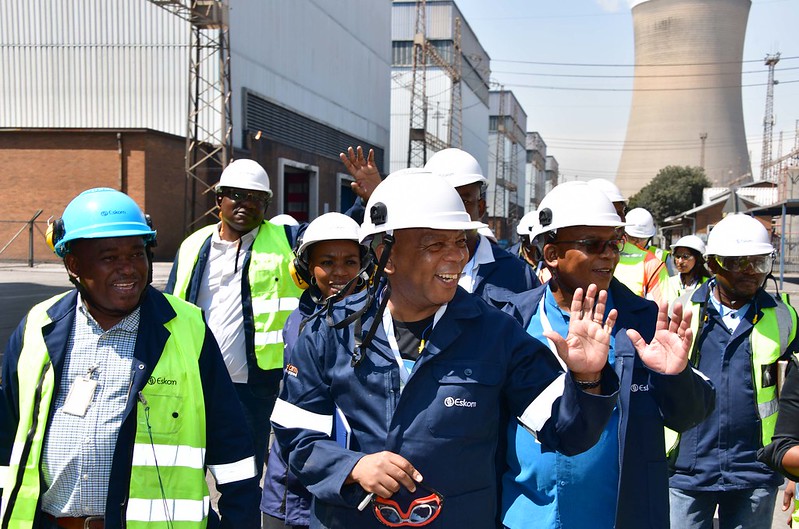
“As a coal Procurement and Quality Specialist I have realized that many companies are storing their coal and waiting for the coal exchange rate to go up. Most operations have halted,” Mathole said.
For decades, South Africa has leaned heavily on coal, a resource that has driven the industrial sector and illuminated homes and cities nationwide. However, this reliance has also earned South Africa an unwelcome distinction—the highest carbon emitter in Africa.
Mpumalanga produces 83% of the country’s coal and provides 85% of its coal mining jobs.
South Africa’s primary electricity company, Eskom, operates 15 aging coal-fired power plants that contribute significantly to the nation’s total power capacity.
This fleet generates about 41% of South Africa’s carbon dioxide emissions, making the power sector a prominent player in the climate change arena. Moreover, the aging infrastructure has resulted in daily power outages, known as load shedding, an issue dating back to 2007, impacting all levels of society.
Despite its environmental costs, the coal sector has been a significant source of employment and economic activity.
As South Africa seeks to reorient its energy landscape, the transition brings both opportunities and challenges.

The country’s Integrated Resource Plan calls for a reduction in the share of fossil fuels and a scaling-up of renewable energy, particularly wind and solar power.
This move presents an opportunity for job creation in new, sustainable industries. However, it also necessitates substantial investment in skills development and local economic diversification.
In 2022, ahead of COP 27, South Africa unveiled a Just Transition (JET) Investment Plan of R1.5 trillion, promising a R60bn investment for Mpumalanga. Despite this, tangible projects showcasing new opportunities are needed.
The country’s transition, supported by around 10 years of research, encompasses technologies in coal, nuclear, hydro, solar photovoltaics (PV), onshore wind, concentrated solar power (CSP), pumped storage, and diesel-fueled open cycle gas turbines.
According to the Council for Scientific and Industrial Research (CSIR) statistics of power generation in South Africa published in February 2023, coal still dominates the South African energy mix, providing 80% of the total system load.
“The contribution of renewable energy technologies (wind, solar PV and CSP) increased in 2022 to a total of 6.2 GW installed capacity and provided 7.3% of the total energy mix.”
Currently, three major international initiatives are funding South Africa’s energy transition. The Climate Investment Funds’ Accelerating Coal Transition plan, approved in October 2022, is set to provide $500 million in concessional funds.
This will be paired with $1 billion from multilateral entities like the World Bank and the African Development Bank, as well as another $1 billion from the private sector, to support projects including coal plant decommissioning and repurposing, community development in Mpumalanga, and energy efficiency.
Additionally, the Just Energy Transition Partnership, formed at COP26 with contributions from various international governments, plans to mobilize $8.5 billion over the next 3-5 years to aid South Africa’s energy transition.
Experts are pressing the government to roll out initiatives that assist small businesses and workers during the transition, ensure responsible mine closures, and provide training for the highly unemployed youth in emerging industries
Jesse Burton, a Senior Energy Systems Researcher at the University of Cape Town, said it is crucial for climate action to happen alongside poverty alleviation and sustainable development.
“Specifically, transitioning away from coal requires a “just transition” – a transition that is fair, distributes costs and benefits, protects the vulnerable, and also addresses historical injustices – like for communities who suffer from poverty that is worsened by air and water pollution caused by coal, degraded land, poor transport systems,” Burton said.
Balancing the act from dirty to clean energy presents South Africa with a challenge. The country stands to lose an estimated US$50 billion due to the shift towards cleaner energy, a substantial hit to its economy.
This looming financial threat is not just due to the phasing out of coal, but also the potential introduction of carbon border tax adjustments.
These levies, tied to net-zero pledges made by the European Union, the United States, and the United Kingdom, could impact more than half of South Africa’s export value.
According to Gaylor Montmasson-Clair from Trade & Industrial Policy Strategies (TIPS), this shift could revitalize citizen-led decision-making.
“Ensuring that this transition is truly ‘just’ will require more than just policy changes. It demands a careful, well-thought-out balance between the needs of the people, the planet, and the economy,” he said.
The South African presidency, this week, expressed concern over the national energy regulator, Nersa’s delay in issuing all licenses to the National Transmission Company. South Africa’s energy crisis is part of a much larger issue, as over 600 million people across Africa live without access to energy, inhibiting economic growth in Africa’s developing countries.
At the New Global Financing Pact summit in Paris from June 22 – 23, 2023, African leaders advocated for a complete transformation towards establishing a more equitable financial system.
Kenya’s President, William Ruto, emphasized Africa’s untapped renewable energy potential, citing Kenya’s 92% green power grid as a leading example.
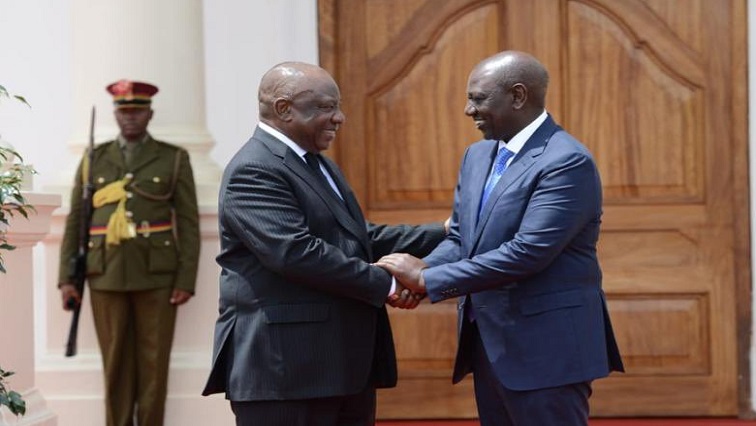
“Loss and damage will not do it. I’m sorry. It will not do it because loss and damage is hostage to national interest. No nation is going to give money from its people to sort out a global problem because in a contest between national interest and global good, national interest wins in the morning. That’s it,” Ruto expressed.
Meanwhile South African president Cyril Ramaphosa said that financing must be “predictable and certain.”
Representatives from more than 100 countries, including South Africa are set to convene in Nairobi from 4 September 2023 for the Africa Climate Summit.
#NewGlobalPact #CoalDependance #SAsJustTransition #Mpumalanga #EnergyMix #Energysecurity

Be First to Comment