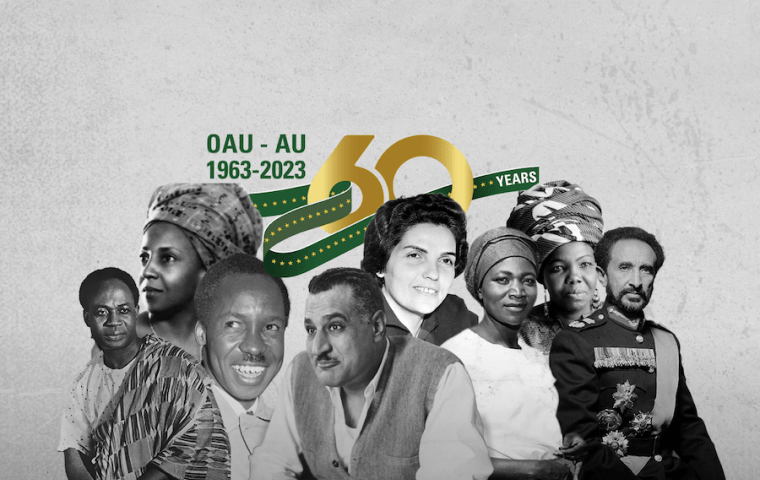
The kiSwahili saying Umoja ni nguvu (unity is strength) is now more important than ever as Africans celebrate 60 years of the founding of the Organisation of African Unity this month write Kwena Manamela and Malesela Maubane
THIS year Africa Day marked 60 years since the formation of the Organisation of African Unity (OAU), forerunner to the African Union (AU) in Addis Ababa Ethiopia.
Thirty-two nations signed the OAU Charter, resulting in the establishment of the continental body on two founding principles, African political and economic integration.
The organisation boasts a membership of 55 countries. May 25 was originally named Africa Independence Day to galvanise for independence of African states from colonialism. It was later changed to Africa Day to celebrate their Africanness as independent African states.
“Our objective is African Union now. There is no time to waste. We must unite now or perish,” Kwame Nkrumah, told the opening of the OAU.
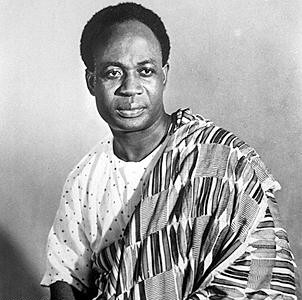
Unity is a vital ingredient among countries on the continent, this as it continues charting its development agenda towards attainment of Agenda 2063 aspirations and goals.
The AU’s aspiration 1 says: “a prosperous Africa based on inclusive growth and sustainable development.”
We bow our heads to honour our forebears, for the noble vision of African unity to drive out imperialism, colonialism, hunger, unemployment, poverty, famine, inequality and silencing the guns, thus championing the course of African unity and Renaissance.
May the spirit of their vision leave through the attainment of Aspiration 2 which says: “an integrated continent, politically united and based on the ideals of Pan-Africanism and the vision of Africa’s Renaissance.”
However, many questions remain, how far have we gone? Is Africa free from colonialism and imperialism? Have we made a dent to the triple challenges of inequality, poverty, and unemployment challenges?
Are we a democratic continent where governments are put into power through regular elections? To what extent have we embraced women leadership? Without a clear answer to the latter questions and many others including eradication of illiteracy, it cannot be celebrations as usual on Africa Day this year.
Although there are reports of temporary ceasefire, Sudan has not experienced peace in recent times due to the ensuing war, how about the Western Sahara conflict and pockets of armed rebels’ activities in Mozambique and some countries on the continent.
The fight against patriarchy and affirmation of women leadership in development, is in line with Aspiration 6: “An Africa, whose development is people-driven, relying on the potential of African people, especially its women and youth, and caring for children.”
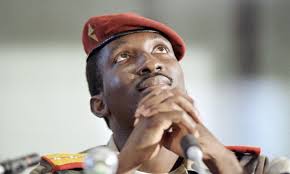
Thomas Sankara, late Burkinabe President, had this to say about the matter of women participation in development: “Conceiving a development project without women’s participation is like using only four fingers when we have 10.”
There is evidence of women’s capability to rule over nations with wisdom and integrity or occupy positions of leadership in Africa since centuries ago. Some of the examples include women such as Cleopatra VII, who ruled ancient Egypt (51BC-30BC), Queen Amina of Zazzau (present-day city of Zaria in Kaduna State), Nigeria (1576-1610), and Queen Nzinga of Ndongo and Matamba, now part of present-day Angola (1624-1663).
Queen Manthatisi ruled the Batlokoa nation (1813-1824) while Mme Makwena Matlala was acting chieftainess of the Bakone ba Ga-Matlala a thaba from 1948. Mme Charlotte Mannya Maxeke is another influential South African woman recorded in history.
African women have continued occupying leadership positions even in the 21st century, with the following ascending presidency of their respective countries to date: Ellen Johnson Sirleaf, Liberia (2006-18), Joyce Banda, Malawi (2012-14), Ameenah Gurib-Fakim, Mauritius (2015- 2018), Sahle-Work Zewde, Ethiopia (2018- to date), and Samia Suluhu Hassan, Tanzania (2021- to date). Africa is diverse, thus depending on which European country had colonised them, the diversity of African countries can be seen in how most countries still define themselves along the Anglophone, Francophone, and Lusophone cultural legacy. This contrasts with the goals of Aspiration 5: “An Africa with a strong cultural identity, common heritage, shared values, and ethics.”
African must unite if it is to achieve goals of Aspiration 7: “Africa as a strong, united, resilient, and influential global player and partner”, therefore making a meaningful contribution and influence in the global community as it engages in the multilateral forums such as the United Nations (UN), Group of Twenty (G20), and the Brazil, Russia, India, China, and South Africa (BRICS) regional economies formation.
AU recognises eight regional economic communities: Arab Maghreb Union (AMU), Common Market for Eastern and Southern Africa (COMESA), Community of Sahel-Saharan States (CEN-SAD), East African Community (EAC), ), Economic Community of Central African States (ECCAS), Economic Community of Western African States (ECOWAS), Intergovernmental Authority on Development (IGAD), and the Southern African Development Community (SADC).
How far has these regional blocs contributed to African political and economic integration? It is perhaps high time that AU realign these regional bodies into four or five bodies, along the lines of: Eastern African Development Community (EADC), Central African Development Community (CADC), Northern African Development Community (NADC), Southern African Development Community (SADC), and Western African Development Community (WADC). Engagement in the realigned regional economic blocs must put African political and economic integration first.
Additionally, we applaud the AU on how it rose to the occasion during the height of the coronavirus (COVID-19) pandemic and fought as one. Collectively, the AU fought against vaccine-apartheid.
Acceleration of African trade including conclusion on a single currency, industrialisation, and manufacturing, increasing mobility within the continent be it through rail, road, sea, and air must be prioritised. This will go a long way toward the creation of a single market for the continent as envisaged in the AU’s African Continental Free Trade Area (AfCFTA) a reality. Build African capacity to fight pandemics drawing from COVID-19.
Investment in African science, research, and development thus building African technological capacity. Resuscitation of African Peer Review Mechanism (APRM) and New Partnership for Africa’ Development (NEPAD) could also go a long way. Good governance on the continent is often and consistently brought into question.
Therefore, there might be a semblance of truth in former Liberian president, Ellen Johnson Sirleaf’s words “Women work harder. And women are more honest. They have less reasons to be corrupt.”
Over and above all, the AU Agenda 2063 is a roadmap against which all African states must focus on, and their performance be assessed. All African regional bodies must report on their contribution to AU Agenda 2063 before we can talk about meaningful contribution to the global sustainable development goals (SDGS).
The unity of Africans for her children and their future is sacrosanct. Rise Africa rise. Words by late Tanzanian leader Julius Nyerere “Unity will not make us rich, but it can make it difficult for Africa and the African peoples to be disregarded and humiliated. And it will, therefore, increase the effectiveness of the decision we make and try to implement for our development”, stills ring true even in our current epoch.
* Manamela is an author and social commentator.
- Maubane a University of South Africa (UNISA) development studies postgraduate student who has interest in sociocultural heritage.

Be First to Comment