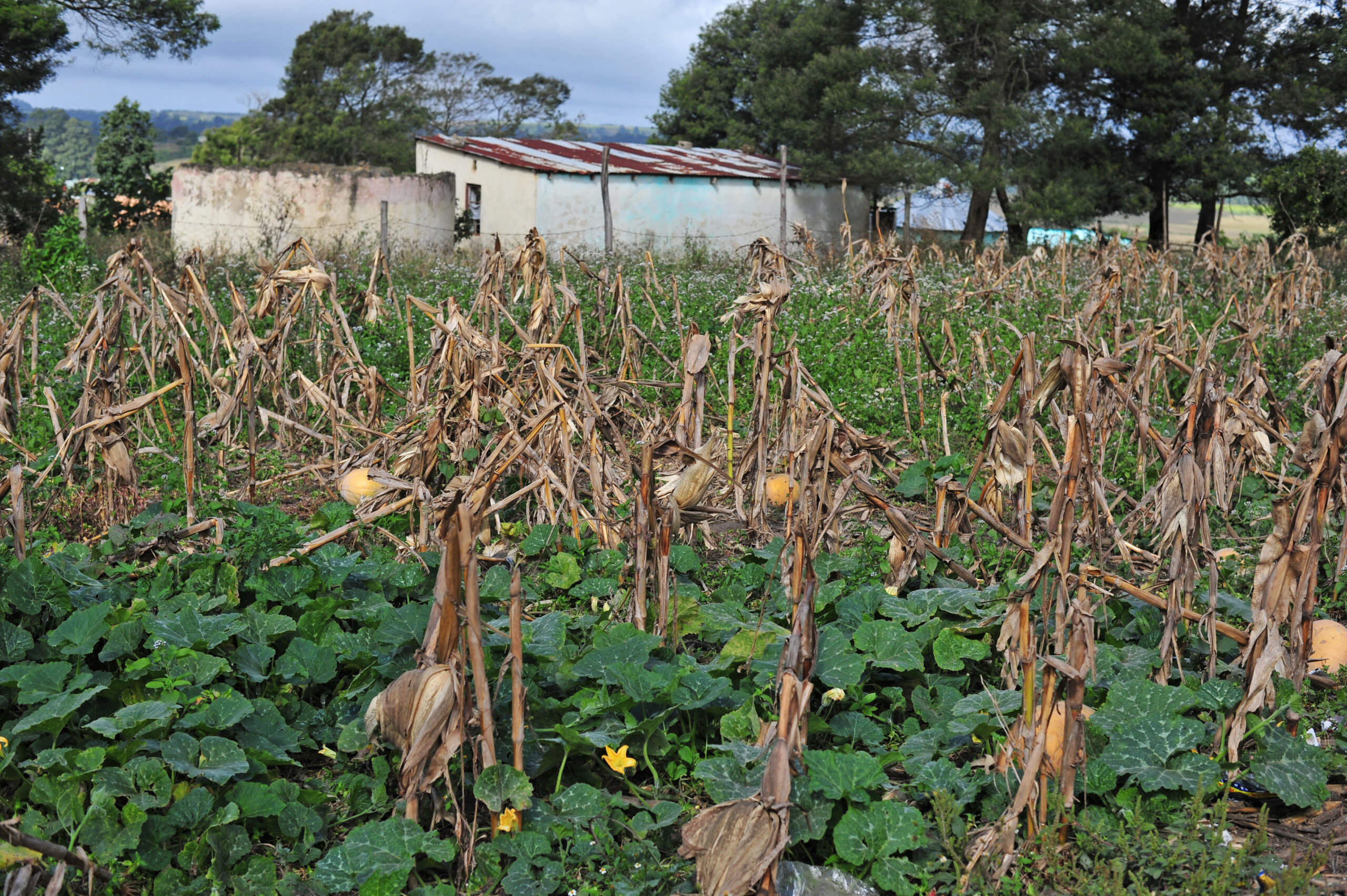
Marking the year 2023 as the International Year of Millets (IYM), the Southern African Development Community (SADC) Plant Genetic Resources Centre also encourages food scientists to value-add millets and make them part and parcel of peoples’ daily meals.
THE Southern African Development Community (SADC) Plant Genetic Resources Centre (SPGRC) is encouraging SADC citizens to embrace millets as nutritious food. This is in line with the endorsement of the Governing Body of the Food and Agricultural Organisation- International Treaty on Plant Genetic Resources for Food and Agriculture (FAO-ITPGRFA).
Marking the year 2023 as the International Year of Millets (IYM), the SPGRC also encouraged food scientists to value-add millets and make them part and parcel of peoples’ daily meals.
Interestingly while many people in the SADC now consider maize as a staple diet, this was not the case in centuries past.
“Maize first arrived on the African coast during the seventeenth century. It was initially introduced by the Portuguese to supply their trading forts, but the crop was quickly adopted by African farmers due to its high energy yield, its low labor requirements, and its short growing season,” researchers Jevan Cherniwchan and JuanMoreno-Cruz say in a paper titled Maize and precolonial Africa published by the Journal of Development Economics.
“Cultivation spread quickly; as we discuss below, the available historical evidence indicates that maize was grown across much of the African continent by the early 1700s. Given its characteristics and the timing of its introduction, maize is the most likely cause of any agricultural productivity shock,” the paper notes.

The researchers further make the shocking finding that maize was a major role player in the slave trade.
“We also find little evidence to suggest maize increased economic growth or reduced conflict. Our results suggest that rather than stimulating development, the introduction of maize simply increased the supply of slaves during the slave trades.”
The SADC has further urged national gene banks to make available traditional millet varieties for use in breeding programmes, research, and direct consumption at household level to address nutritional gaps in the SADC Region.
The Department of Agriculture, Forestry and Fisheries notes in a paper titled Most Indigenous Food Crops of South Africa, that grain sorghum is one of the common and widely used indigenous crops.
“Grain sorghum (mabele, amabele) is produced in the Limpopo, KwaZulu-Natal, Free State, North West, Northern Cape, Eastern Cape and Gauteng provinces. Sorghum meal is mainly used for making porridge, unleavened bread, cookies, cakes, couscous and malted beverage. Parched seeds are used as coffee substitute. Sorghum is also an important animal feed.”
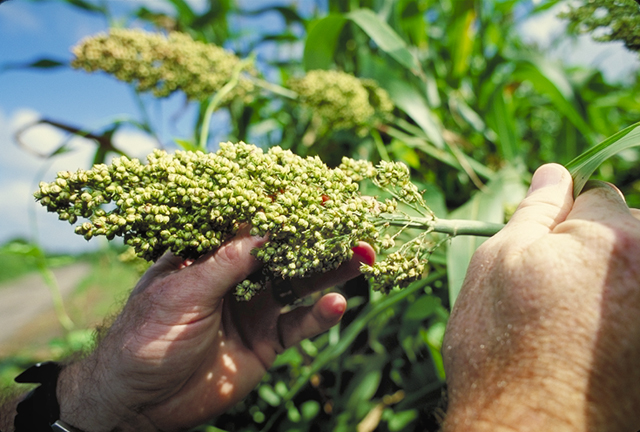
The paper continues to note that pearl millet which is produced in the Limpopo, KwaZulu-Natal and the Free State provinces is used mainly as whole, cracked or ground flour, dough, or grain-like rice. “These are made into fermented breads, foods and thick porridges, steam-cooked dishes, non-alcoholic beverages and snacks.”
The theme for the International Year of Millets was proposed at the UN General Assembly and endorsed by Members of the Governing Bodies of FAO, including the 160th Session of FAO Council and the 41st FAO Conference.
This is because millets have proven to be climate resilient and highly nutritious yet still remain relatively undervalued, and under-utilised cereal crops.
Millets are a group of cereal grains that belong to the Poaceae family, commonly known as the grass family. Despite being widely perceived as crops in terminal decline in favour of maize, sorghum and millets were in fact among the first plants to be domesticated and still serve as a traditional staple food in Sub-Saharan Africa and Asia with both continents constituting the vast majority (over 90%) of millet production worldwide.
Compared to other cereals like maize and rice, millets have the ability to grow in dry and marginal environments clearly making it a crop with an important role in the future food and nutritional security.
“Millets are very resilient crops, highly suitable for cultivation under adverse and varying climatic conditions. However, despite these clear advantages of climate resilience and nutritional benefits, millets remain relatively undervalued and underutilised, with its production being on the decline in the SADC Region,” the SADC notes. – news@mukurukuru.co.za

Be First to Comment