Last updated on 23 April 2022
Mokgadi Mogy Mashako
Limpopo maize farmer Selane Matsheremane is still reeling from the disaster caused by the floods that hit the Mopani region last year and is hoping the upcoming United Nations Commissions on the Status of Women will help provide some solutions.
Matsheremane was one of women farmers who attended the consultation for the United Nations Commission on the Status of Women’s Sixty Sixth Session (CSW66) in Polokwane this week hoping their concerns will reach world leaders.
Matsheremane Agricultural primary cooperative, which is based in Sekororo was funded to the tune of R340 000 by the Department of social Development.
She used the funds to build an office, purchased two water tankers and other equipment.
The consultation formed part of deliberations by Minister in the Presidency for Women Youth and Persons living with Disabilities Maite Nkoana Mashabane who is set to visit the UN headquarters in New York for the 66th edition of the commission.
The theme for the commission is ‘achieving gender equality and the empowerment of all women and girls in the context of climate change, environmental and disaster risk reduction policies and programmes’.
“I have been farming maize for over 10 years and I am currently looking to be supported to research a type of red maize that has properties of healing cancer and other diseases,” said Matsheremane.
“I work a lot with the youth on the farm and I’d say they don’t understand delayed gratification, they expect more money than their stipends allow and when funds are depleted they down tools, leaving me to dig from my own pocket so that farming continues,” she said.
Matsheremane who farms wild ginger (serokolo), green mangoes, maize and other plants that need permits to grow said that climate change impacts the quality of crop that farmers produce.
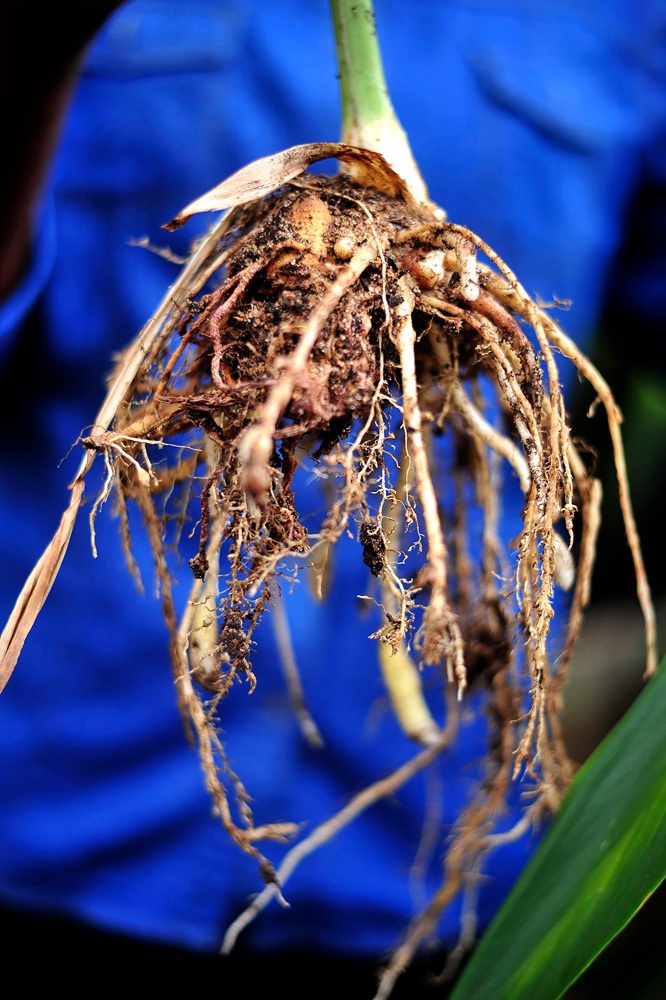
“I appeal to government to assist us with doing away with the use of genetically modified organisms (GMO) especially because if I am expected to use unsafe chemicals to treat my produce, I’d have to wait longer before selling to the market as they are not safe to consume directly from picking,” she said.
She pleaded with government to spread the word about offering support through organic seedlings, manure, and pesticides that were friendly to the environment.
Founder of Mohlopi Coffee and the Leader of Refentse Agriculture and projects based in Lebowakgomo said it is time to go back to ancient practices of farming, harvesting and preparing food- from the ground to the fire.
Her agricultural project that employs 25 people including youth and a few elderly citizens specialises in the making and processing of organic coffee.
Together with fellow farmers in the area, she has identified wild berries, lemon grass and other indigenous plants, which were used for medicinal purposes in the past to make teas and other organic beverages.
The labour intensive work requires driving out, marking territories and trees that have been harvested, putting labels and dates on certain harvested plants, strategically chopping off roots and sealing branches with petroleum jelly so as to retain the nutrients and moisture of the plants.
“Due to limited resources and machinery we have not been able to intensify our research in terms of exploring more organic drinks. So for now we package and sell motlopi coffee,” Mokoena said.
Other factors pulling farmers back is not having access to enough land which has raised concerns that should traditional authorities sell portions of land for purposes such as mining activities, farmers would not have access to the indigenous plants essential for their businesses.
“If government could help us attain land not only would we be able to plant and preserve our own organic and indigenous herbs and plants but we would expand the current crops we have like maize and beans,” Mokoena said.
Other than wanting to improve packaging, she said acquiring machinery would assist in processing more products, which in turn would triple her workforce.
Director General of the department Advocate Mikateko Maluleke said China has agreed to assist Nkoana-Mashabane for South Africa to export chicken feet, trotters and beans.
“As you know China expects hundreds of thousands of tons of supply, so we could find collaborative ways to work with you so that everyone benefits from this venture,” Maluleke said.
Poultry farmer Magdeline Matsetela said her Kopanong Drop in Centre, which doubles up as a vegetable farm struggles when it comes to water.
Her project received funding from the National Development Agency (NDA), which assisted in her securing a 4-hectare piece of land, where she was able to drill a borehole, which became challenging due to electricity bills.
“We went on to use generators to resuscitate the drawing of water for our operations on the farm, however repairing and replacing them drained our pockets,” said Matsetela.
She called on government to let international communities intervene with policies that can effect change on the major challenge of water pollution and scarcity in farming communities.
Nkoana-Mashabane said she would present to her New York audience that more strides needed to be made around generation equality in farming communities, where women and girls get equal participation in decision making in all aspects of life.
“The biggest thing our department can do is continue advocating -that is why we have departments that are implementers going with us so that when we come back we are able to continue advocating further,” Nkoana-Mashabane said.
The United Nation’s is scheduled to take place from the 14 to 25 March. – news@mukurukuru.co.za

Be First to Comment